
February planning
Beat the blues and start thinking ahead to what's about to happen in the garden

This is the monthly report from my garden, free for all subscribers. If you’ve just arrived, welcome! I write four posts a month, and the first goes to everyone. The other three posts are for paid subscribers only, and these are in a diary format, taking you into my life as a garden editor to find out what I’m writing, who I’m meeting, which gardens I’m visiting and which plants are top of my list that week. You’ll also have access to regular video posts from my garden. If you upgrade before the end of February, you’ll receive 20% off the normal monthly (£4) or annual (£40) price. Come and join me!
My garden
I’m not going to pretend it’s all roses this month. Like many others, I struggle at this time of year, especially when it has rained for 25 out of 31 days in January. My garden is not enticing, the grass a mud bath from dogs and chickens, and the half-cut-back borders look soggy and unattractive. The Crocus tommasinanus are peppering the lawn but their flowers are stubbornly closed because they haven’t seen any sun. I don’t blame them. Still, there are various things you can do to lift your spirits at this time of year, and I have made a list for you below. Handily, some of them are garden tasks that set you on the path towards spring and a whole new year of colour and bloom.
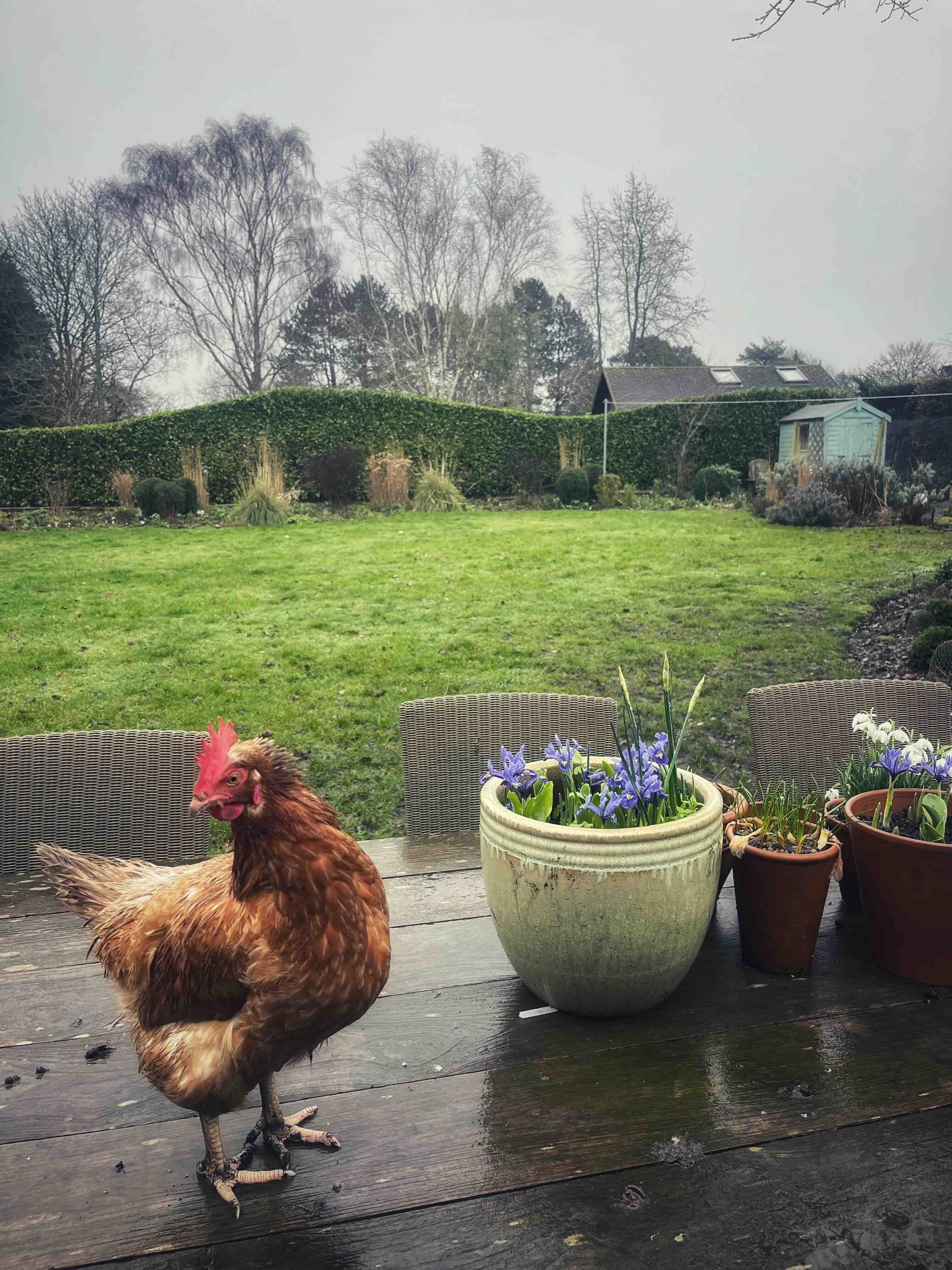
One of the things I do at this time of year is to go as frequently round the garden as I can - which doesn’t take long, it’s not a palatial space. But it reminds me of the plants that are coming back, already pushing through the ground in that inevitable cycle of life. I have pots of early spring bulbs by my greenhouse that I bring over to the table outside my kitchen window as things come into flower. Crocus ‘Snowbunting’ has given way to intense blue Iris reticulata, guaranteed to waken the senses. As these go over, they will be replaced by miniature narcissus and dwarf tulips, so that with each week that goes by, I have a succession of flowers to distract me.
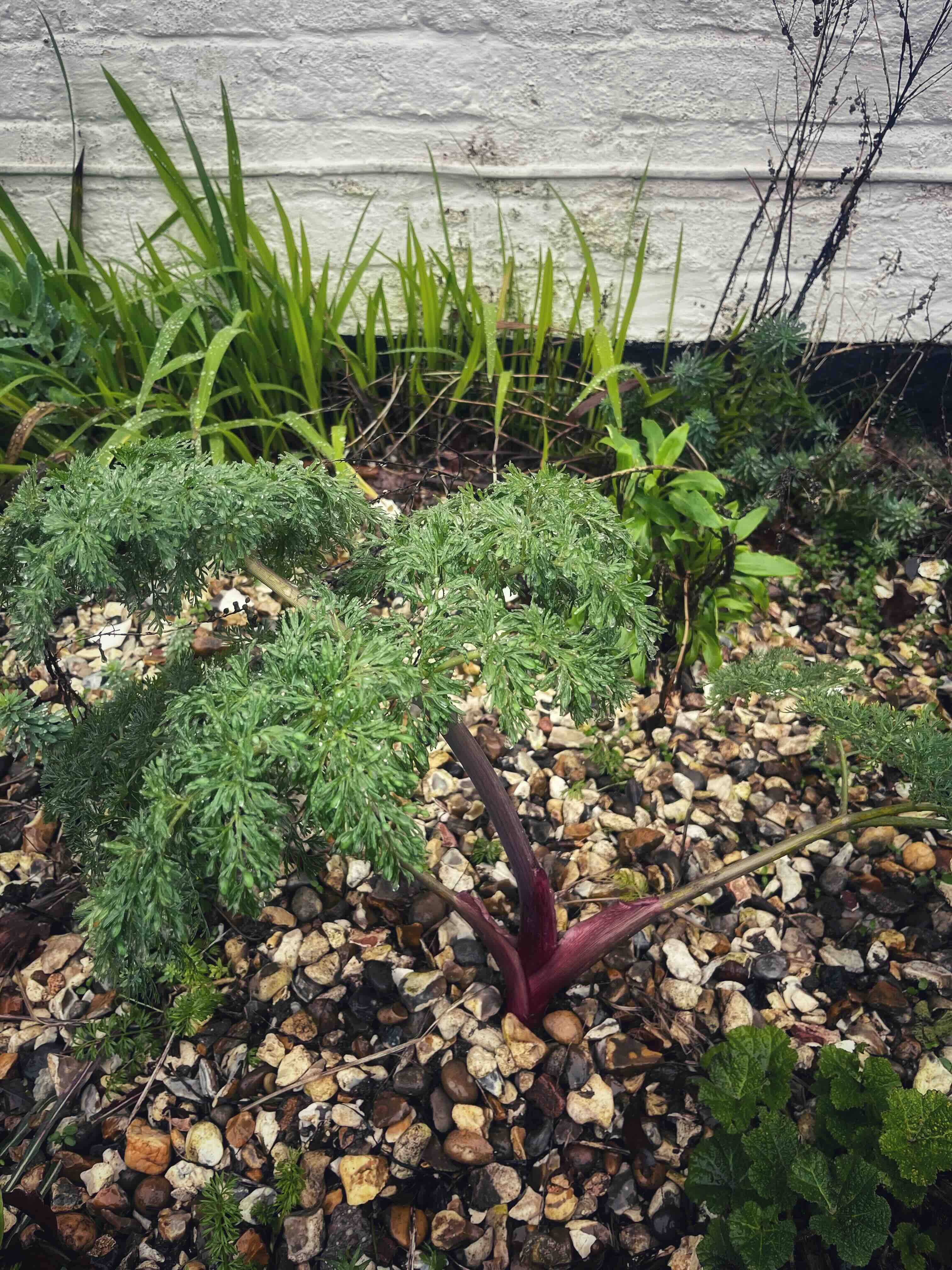
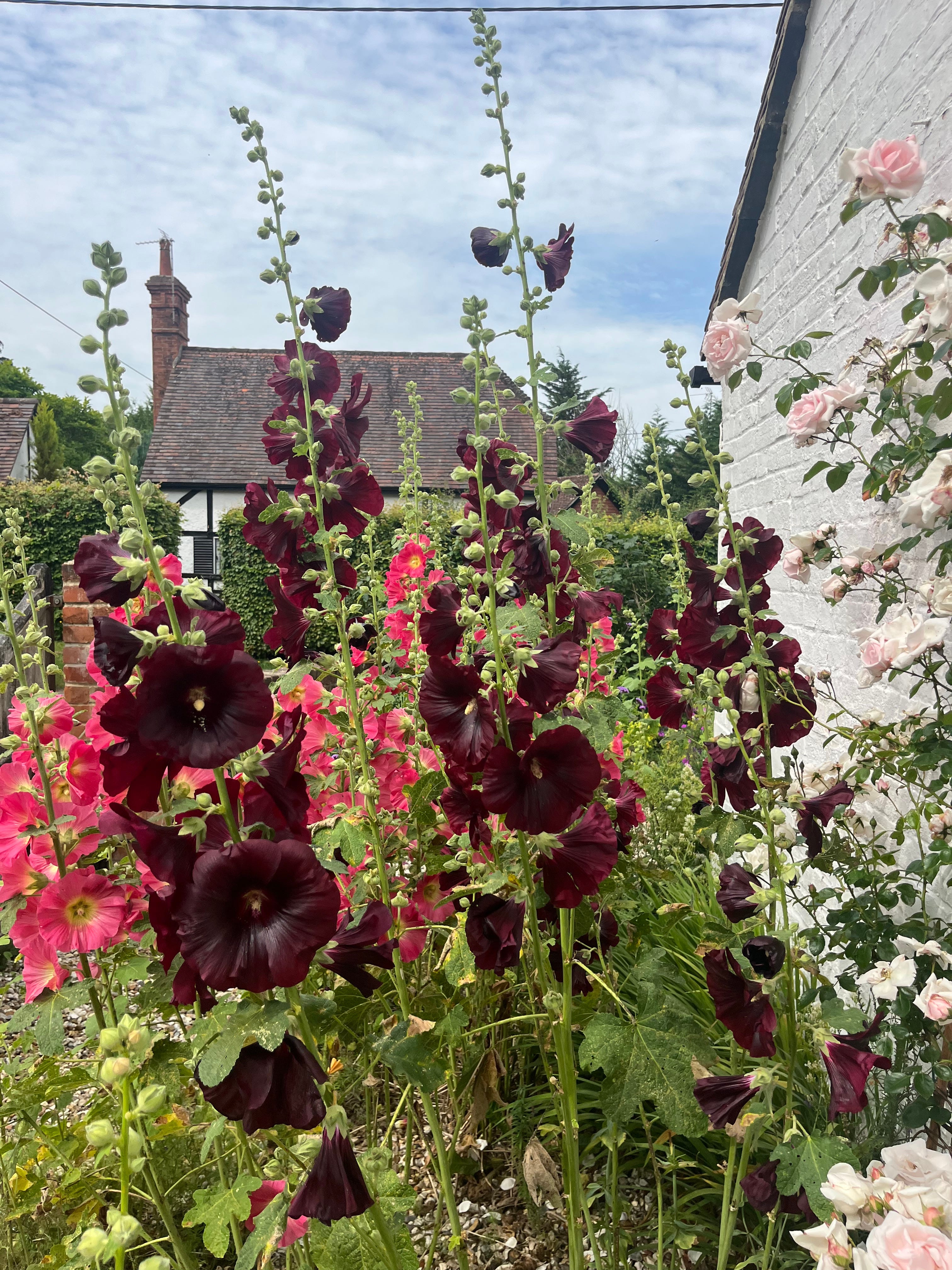
One of the things that is making me happy at the moment is the giant fennel, Ferula glauca, I planted recently in the gravel amongst the hollyhocks (shown below). It’s looking so healthy with fat plumes of foliage in deep, fresh green, and a claret-red stem.
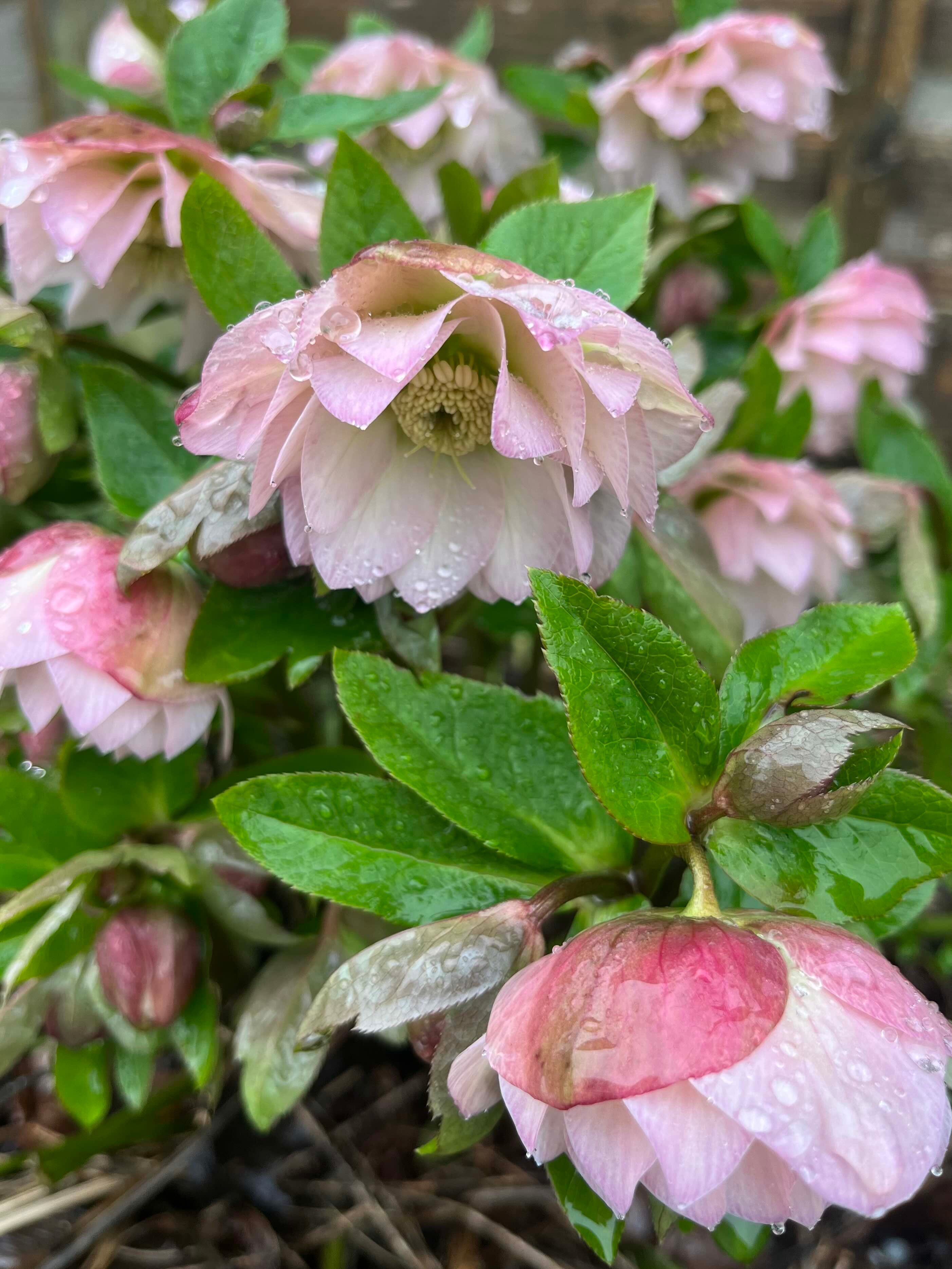
The hellebores are in full flow but a couple of them look sickly. I’ve been worried that they might have the dreaded hellebore black death, which is a viral infection that causes stunted growth and black, vein-like streaks on the leaves and flowers - but having just done some reading about it I’m hoping that it might be the slightly less devastating hellebore leaf spot. This is a fungal infection so perhaps more likely in the wet weather we’ve been having. Either way, the recommendation is to cut the plants right back, or even to dig them up completely and chuck them away. One of them is an expensive new yellow hellebore that I bought from Ashwood Nursery last year and I really don’t want to get rid of it completely - so I’ll try cutting it back and hope that does the trick.


Cheering garden tasks for February
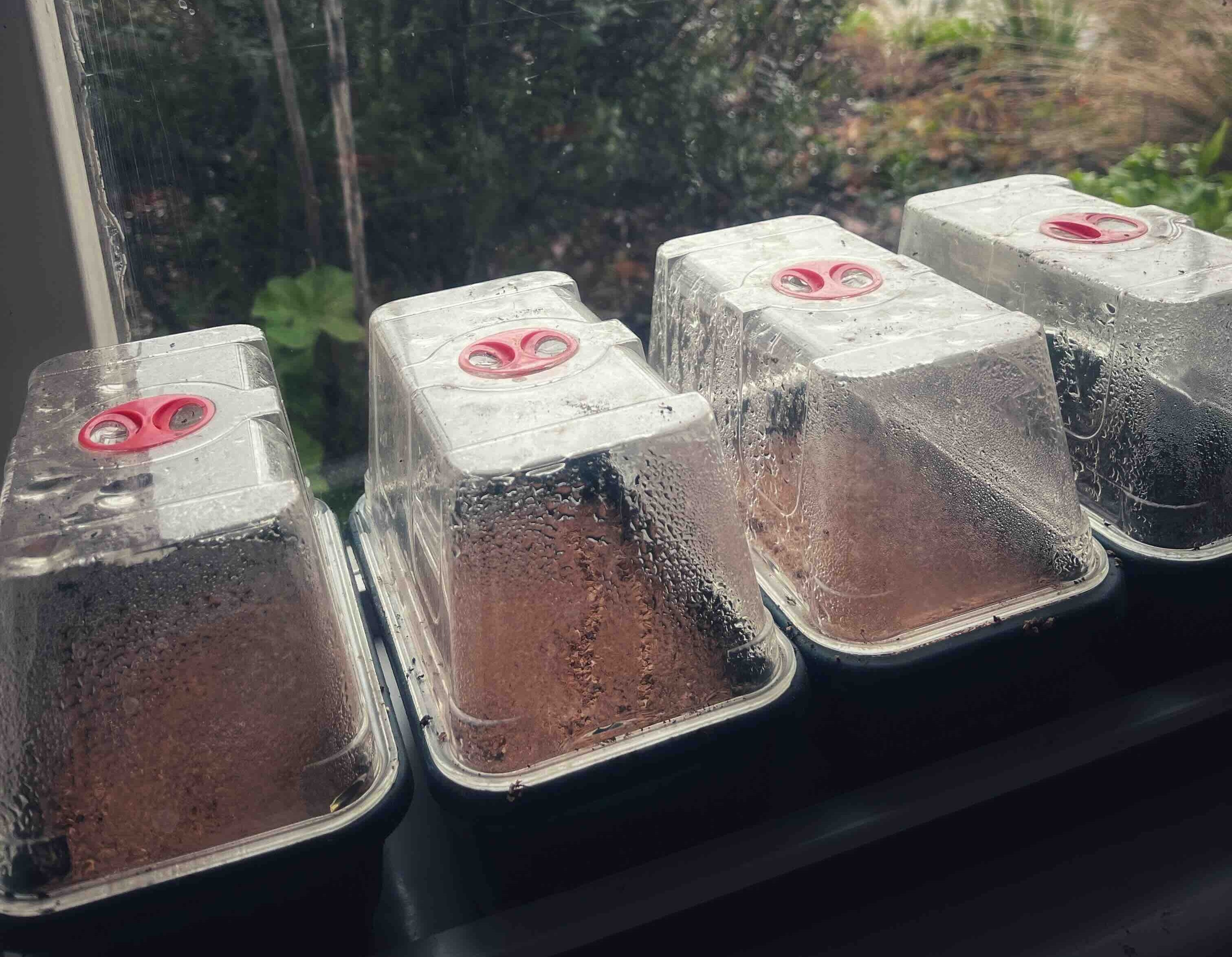
Sow the first seeds of the year: I sow sweet peas and hardy perennials in February, and it instantly makes me feel good. I’ve already sown echinaceas, evening primrose, salvias and fennel, germinating most things inside at this time of year before taking them out to the cool greenhouse once they have germinated. I’m using small quarter sized seed trays on a Garland propagator tray which gives a little bit of heat from the bottom to kick start the germination. I inspect them every day for the tiny pinpricks of green that make your heart sing.
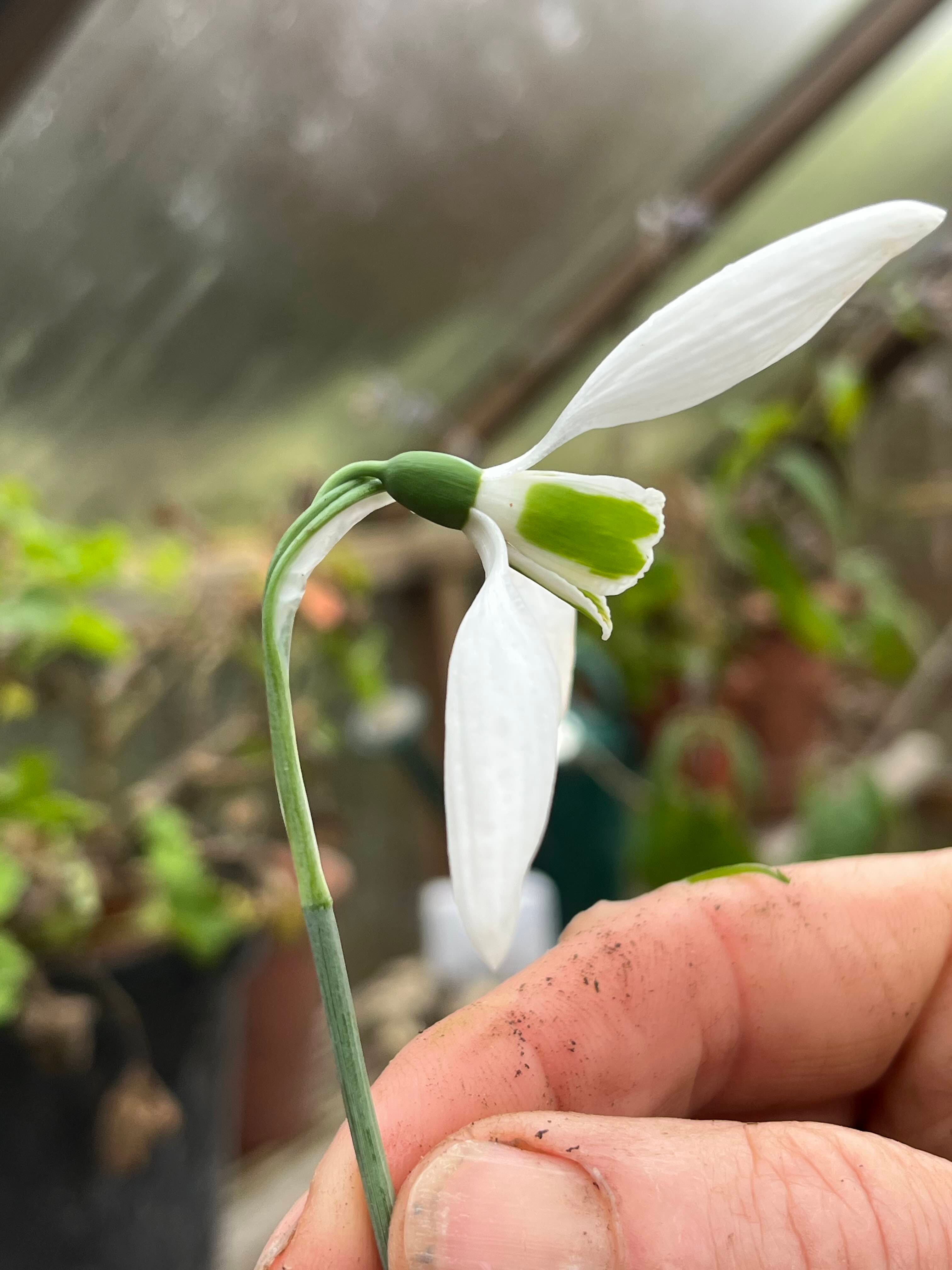
Divide snowdrops: I went to a friend’s the other day to shoot a video for H&G and we had such a lovely time wandering round in the rain looking at her snowdrops. We are without doubt turning into eccentric old galanthophiles. She had not a single snowdrop in her garden when she first arrived 25 years ago and now there are swathes of them because each year she divides all the clumps to help spread them around. It couldn’t be easier to do. Just dig up a clump as the flowers are going over, tease the bulbs apart, and replant them immediately in groups of three or five. Before you know it, the gaps between those clumps will have filled in as the snowdrops naturally increase. If you plant different types, you’ll also find new hybrids with different characteristics popping up. It’s addictive, I warn you
.
Order dahlias: If you haven’t already ordered dahlias, now is the time. Once you get the brown, slightly unpromising-looking tubers, you can plant them straight away in pots if you have somewhere under cover to keep them, or wait until mid May to plant them straight into the ground. Putting them into pots first can give them a head start, and the idea is you get them into the ground as sizeable plants towards the end of May. The world’s your oyster when it comes to which varieties to choose. I tend to err towards marmalady colours, or deep almost-black reds. I wrote about the ones I’ve ordered this year in a previous post. You can also order other summer-flowering bulbs for spring planting, including gladioli, nerines, crocosmia and other more unusual things from online companies like Peter Nyssen, Farmer Gracy or Sarah Raven.
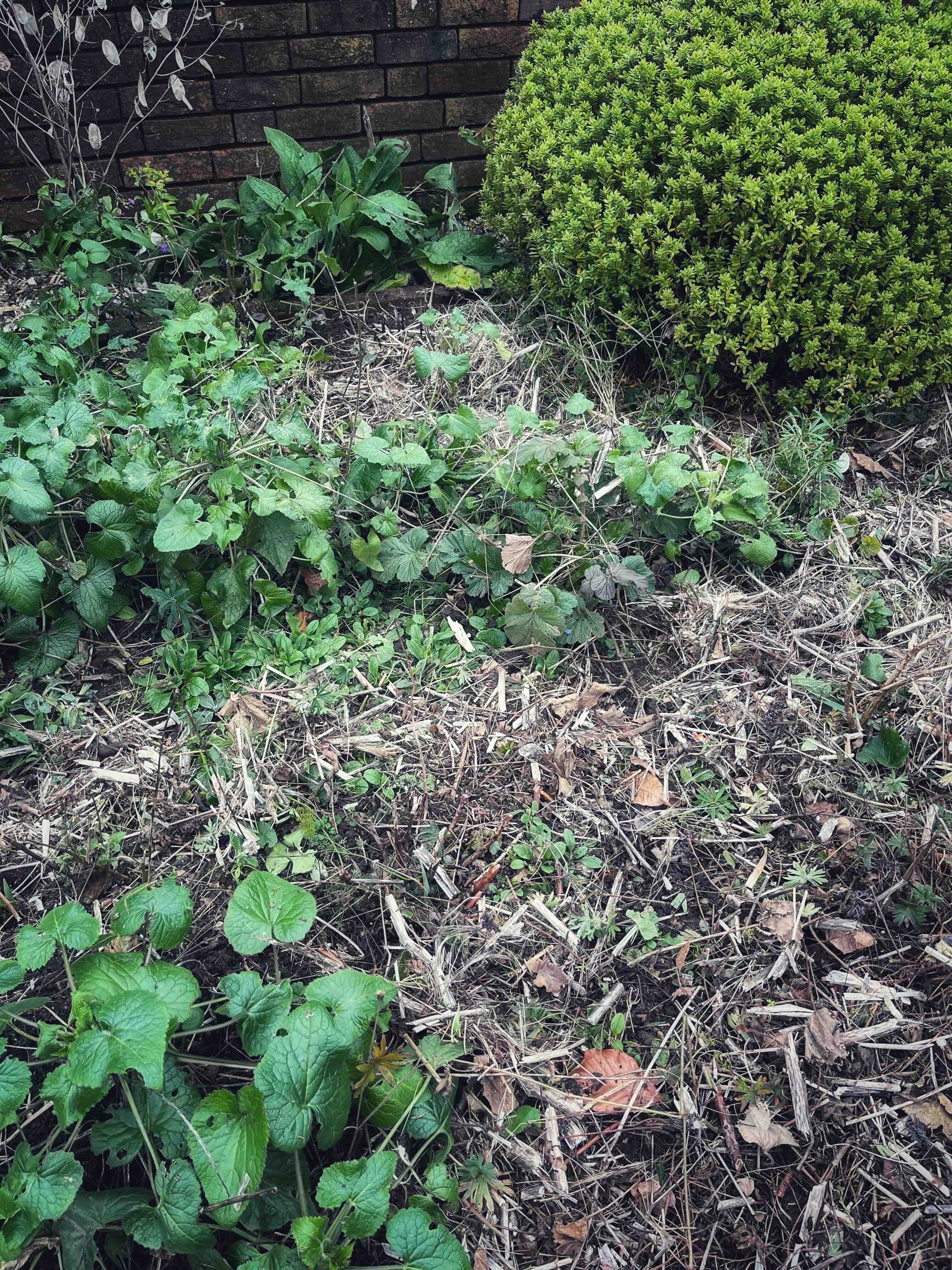
Cut back perennials and grasses: this might not immediately stand out as a cheering task, but I promise you, as soon as there is a proper sunny day it becomes an absolute pleasure. It’s hard work, but if you tackle small areas at a time, it isn’t too onerous. Cut back perennials just above the base to allow the new shoots to emerge unfettered. Last year I tried the chop and drop method, which I wrote about in last Feb’s diary post but this year I’m going back to old fashioned mulching. I love the idea of leaving all the stems around your plants to rot down gradually, but the reality was that we had a very dry spring last year which meant things just didn’t break down much, so it looked messy for quite some time. But the main reason is that it didn’t provide the moisture retention that a thick compost mulch can.
Chit potatoes: this IS cheering and requires minimal effort. Chitting potatoes isn’t strictly necessary but it helps to prepare them for planting in March and gives them a head start. All you have to do is buy your seed potatoes and leave them eyes upwards in a tray or egg box. You’ll be able to see the eyes as small brown marks on the potatoes, and this is where the shoots emerge from. While it’s perfectly possible to grow potatoes that you’ve found sprouting at the back of your pantry, it’s much better to buy certified seed potatoes as you’ll get better yields. Shop bought potatoes may have been treated with growth inhibitors or be carrying virus.


Looking back to look forwards: At this time of year I always love looking back at photographs of the garden as it was at its very best in late June or early July. It seems unfeasible that it will be this full of colour in a few months’ time - but it will. It would be boring, wouldn’t it, if we had no seasons and we had this level of colour all year round? I always remember Tom Stuart-Smith saying that once, when I he was showing me round one of his vast perennial gardens. We need the lull to fully appreciate the incredible lifecycle of our plants, and that sense of anticipation is building with every week that goes by.
Thanks for reading, and I’d love to hear your comments on what you’re up to in the garden this February wherever you are.
Looking at photos is a great tip. At this time of year it's hard to believe just how bright the colours get in summer. This winter has been so snowy that I think I might cry when I see the first coltsfoot.
I’m so over-the-moon excited for my garden to start bursting with color! One of the most exciting things about this time of year is walking around and noticing all the little signs of spring ☺️