
Gardening in March
The seeds I'm sowing, the dahlias I'm growing and general March madness

Hello everyone and welcome to the beginning of spring - at least the meteorological spring which starts tomorrow on March 1st. It feels good to write those words. This is my monthly newsletter, free for everyone to read, with a round-up of what we can all be doing this month in the garden. If you upgrade your subscription you’ll have access to my weekly posts which this year take the form of a behind-the-scenes diary. It’s a frank account of what I get up to day by day, whether in the office at House & Garden, out on garden visits or in my own garden. I share all the planting and design ideas I pick up on the way, and link to all sorts of articles, products and courses that I hope are useful. Do come and join me and give it a try.
It feels good to be in March after one of the wettest beginnings of the year I can remember. The grey skies have hung heavily and the mud has been unending. It has been difficult to do anything in the garden, let alone persuade myself to step outdoors into its soggy embrace. But this week we’ve had a day or two of blue skies and warmer temperatures. Yesterday I had my lunch on the bench under the willow tree and watched a few bees visiting the crocuses that had at last opened in the sun. A couple of yellow brimstone butterflies bobbed around the borders looking slightly lost. Like the crocuses, I held my face up to the sun and it felt wonderful.
More colour is starting to emerge in the garden with the euphorbias beginning to flower and the first honesty plants popping open in vibrant purpley blue - the perfect contrast to the lime green euphorbias. Miniature narcissus and muscari are flowering in pots, and the tulips are filling out and pushing upwards. Everything is in motion. I sit on the bench in the sun and jot down a list of what needs to be done in the garden this weekend and through the rest of the month.
Sow hardy annuals
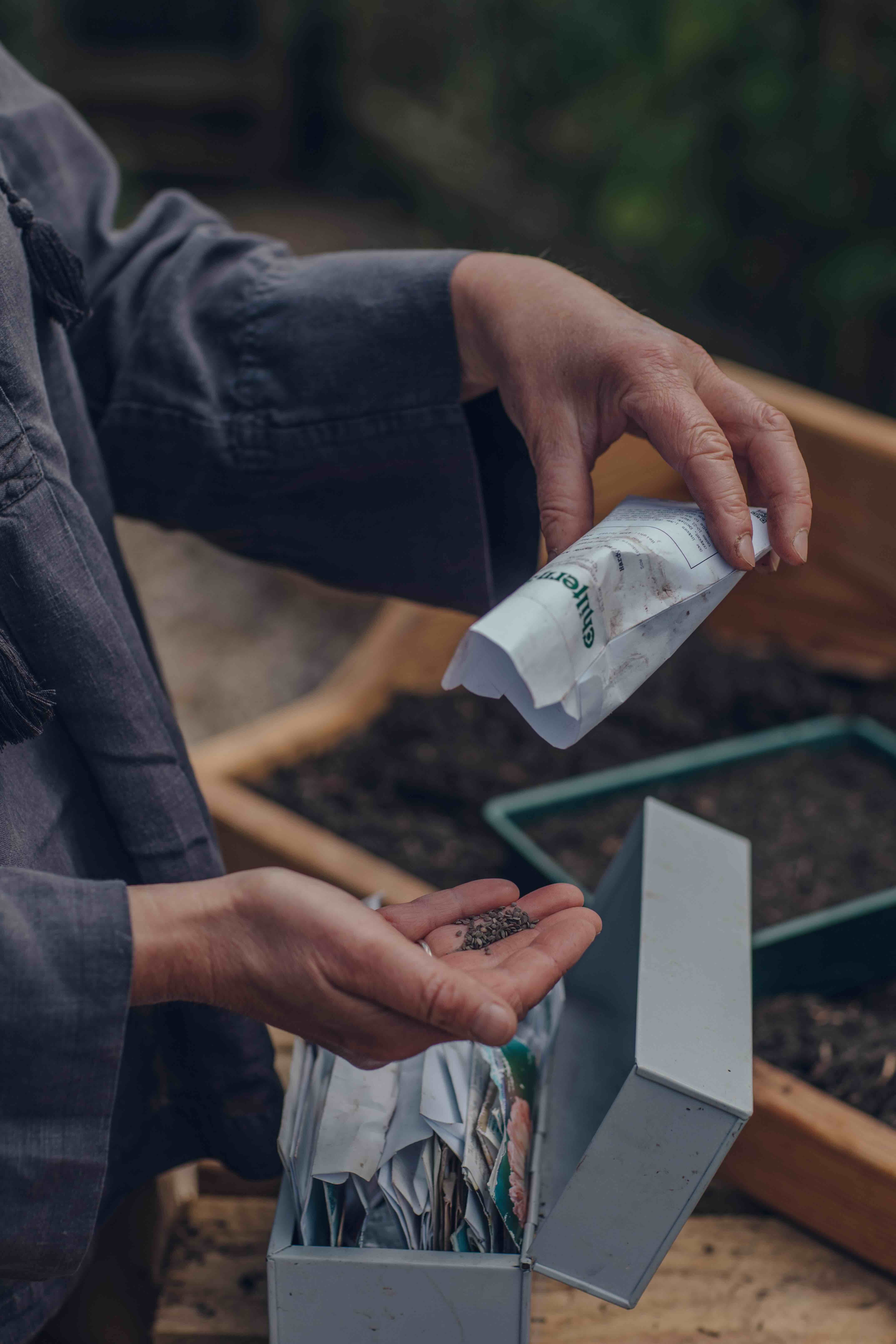
I have masses of seeds to sow this month which will fill up my summer pots as well as plugging gaps in the borders. I’m sowing most of them in small seed trays under cover and will keep them in the greenhouse until it gets slightly warmer. As well as the usual stalwarts (including ammi, orlaya, calendula, Papaver ‘Amazing Grey’, Phlox ‘Creme Brulee’ and zinnias) I like trying new annuals each year, so these are the ones that are new to me, all from Chiltern Seeds:


Amaranthus cruentus ‘Hot Biscuits’: I have never grown amaranthus before - I just haven’t fancied it for some reason - yet when I see them in other gardens I am always impressed, so I want to try them myself. This one has great big flower spikes in the most improbable copper colour. I think they might be good planted with dahlias. I’ve also ordered ‘Green Tails’ from Marlston Farmgirl.
Antirrhinum ‘Potomac Lavender’: I grew ‘Chantilly Bronze’ from seed a couple of years ago, and it came back beautifully last year - I’m hoping it will do the same again. We traditionally grow them as annuals, but I think naturally they are perennials, and with the warmer winters we’ve been having, some of them are managing to come through. ‘Potomac Lavender’ is one I haven’t tried before. All the Potomac series are bred with tall, strong stems designed for cutting, and the flowers of this one are pale lavender pink, fading to an even paler hue.
Cosmidium burridgeanum ‘Brunette’: sometimes I wonder why I haven’t heard of something before, and this is one of those flowers - perhaps some of you will have come across it (let me know!) A meadow-type annual from Texas, it is reminiscent of a coreopsis, with bright orange flowers that have a dark, rusty red centre.


Cynoglossum amabile ‘Firmament’: the Chinese forget-me-nots are very easy to grow and good for pots as well as the edge of a border. I have grown the pale dusky pink ‘Mystery Rose’ before but not the more common blue one, so this one is destined for the cottage garden where bright colour is the order of the day.
Helianthus annuus ‘Astra Rose’: A new sunflower every year is what I strive for, and this one looks a bit different. With a multi-branching habit, it has narrow, pale apricot petals, and a prominent fluffy centre.
Leonotis leonorus: I would buy this for the name alone. I have actually grown it before, but many years ago, so I want to try it again. It’s a Mexican shrubby perennial that is grown here as an annual, but if you keep it in a pot you’d be able to overwinter it in a greenhouse or conservatory. It’s a South African plant with huge, impressive spikes of orange flowers that are arranged in whorls up the stem.


Linum grandiflorum ‘Salmon’: This flax relative is best sown in situ, perhaps as a filler at the front of a cottage garden border. It has pretty apricot-coloured flowers with ruby red centres.
Nicotiana sylvestris: I have grown lots of tobacco plants, but never the tall, imposing Nicotiania sylvestris with its curious chandelier-type white flowers. I want the evening scent and the bonkers look of them at the back of the main border.
Tropaeolum majus ‘Arizona Mix’: I like having nasturtiums winding through my vegetables towards the end of the summer. ‘Arizona Mix’ looks interesting with starry flowers that look like they’ve been edged with pinking shears, as opposed to the normal rounded petals of a nasturtium. They come in all shades of orange, yellow and cream marked with deep red splashes or centres.
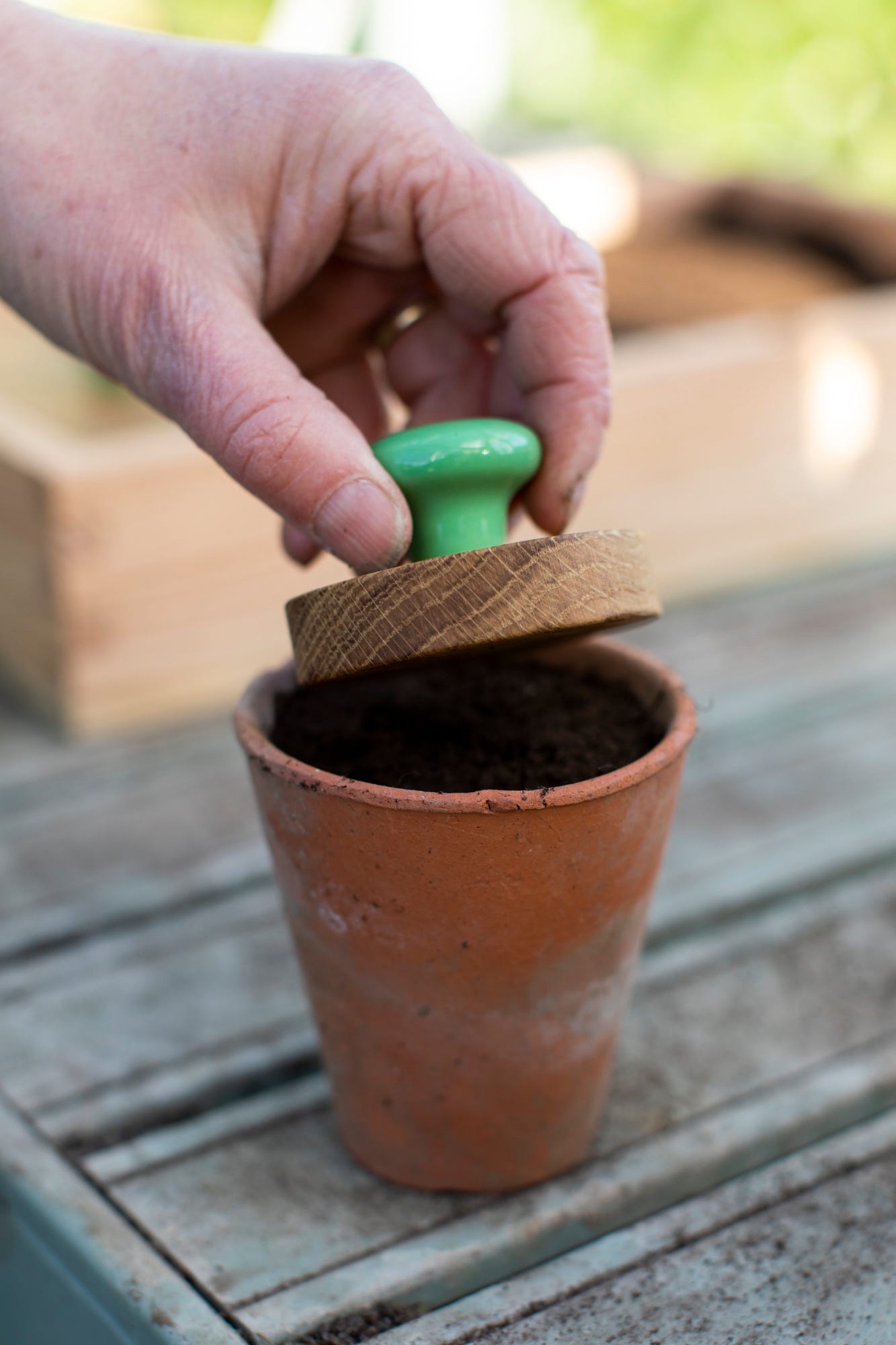
Seed sowing essentials: This is the kit I use for my seed-sowing season.
• peat free multi-purpose or seed compost. Sylvagrow is my preferred choice.
• small quarter-sized seed trays plus lids or eco-friendly rubber modular seed trays
• a simple windowsill propagator which you can get in both heated or unheated versions
• pot tampers like these handmade oak tampers from my own website
• a wooden compost tray for sowing and potting
• finely milled cork granules as an alternative to vermiculite for seeds that need light to germinate
If you need more seed-sowing inspiration, have a look at my Create Academy course, which demystifies and celebrates the whole wonderful process of growing your own flowers from seed. There is currently 20% off all courses.
Plant perennials
Now is a good time to add hardy perennials to any new or revamped borders, while there is still enough moisture in the soil. I have oriental poppies, phlox and helianthemums that I bought as plug plants from J. Parkers in the autumn, and have been growing them on in pots, and these need to get into the ground as soon as possible. I’m excited about Papaver orientale ‘Patty’s Plum’ as I have always wanted it but never got round to growing it. I think there are five decent sized plants to go in. These and Phlox paniculata ‘Bright Eyes’ are for the front garden as the intention is to make it slightly less meadow-like and more classic cottage garden.
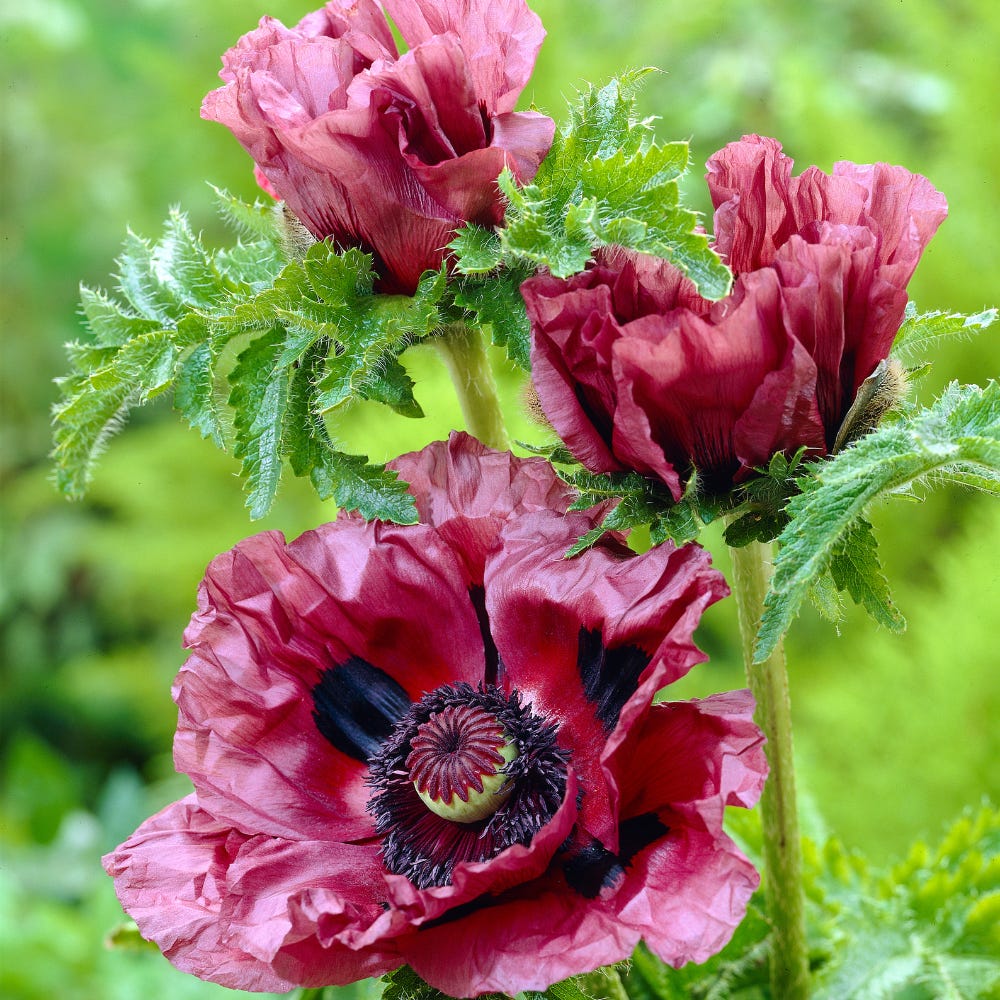
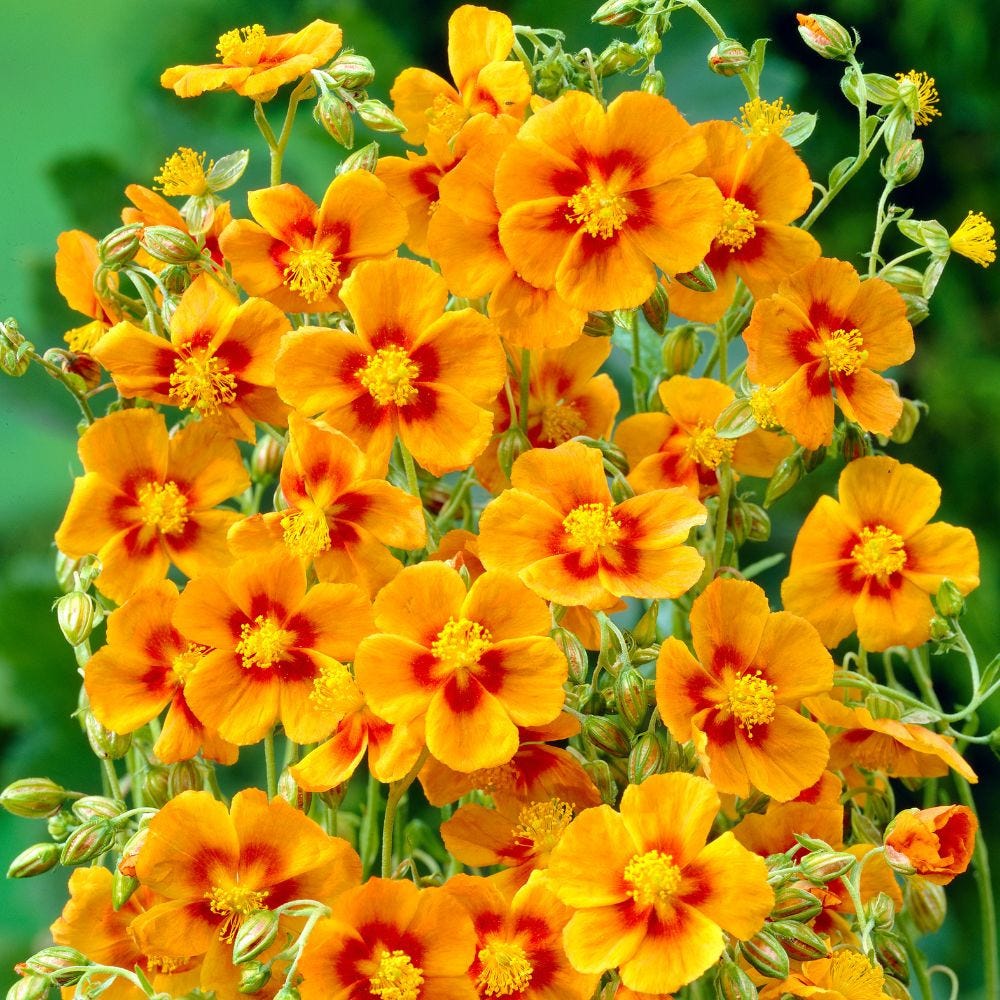
I also have about six Helianthemum ‘Bronze Carpet’ which having looked at a photo of them again today I may live to regret - they are really quite garish (see below). They will be dotted around in the gravel around the house, to brighten up the random gravel planting.
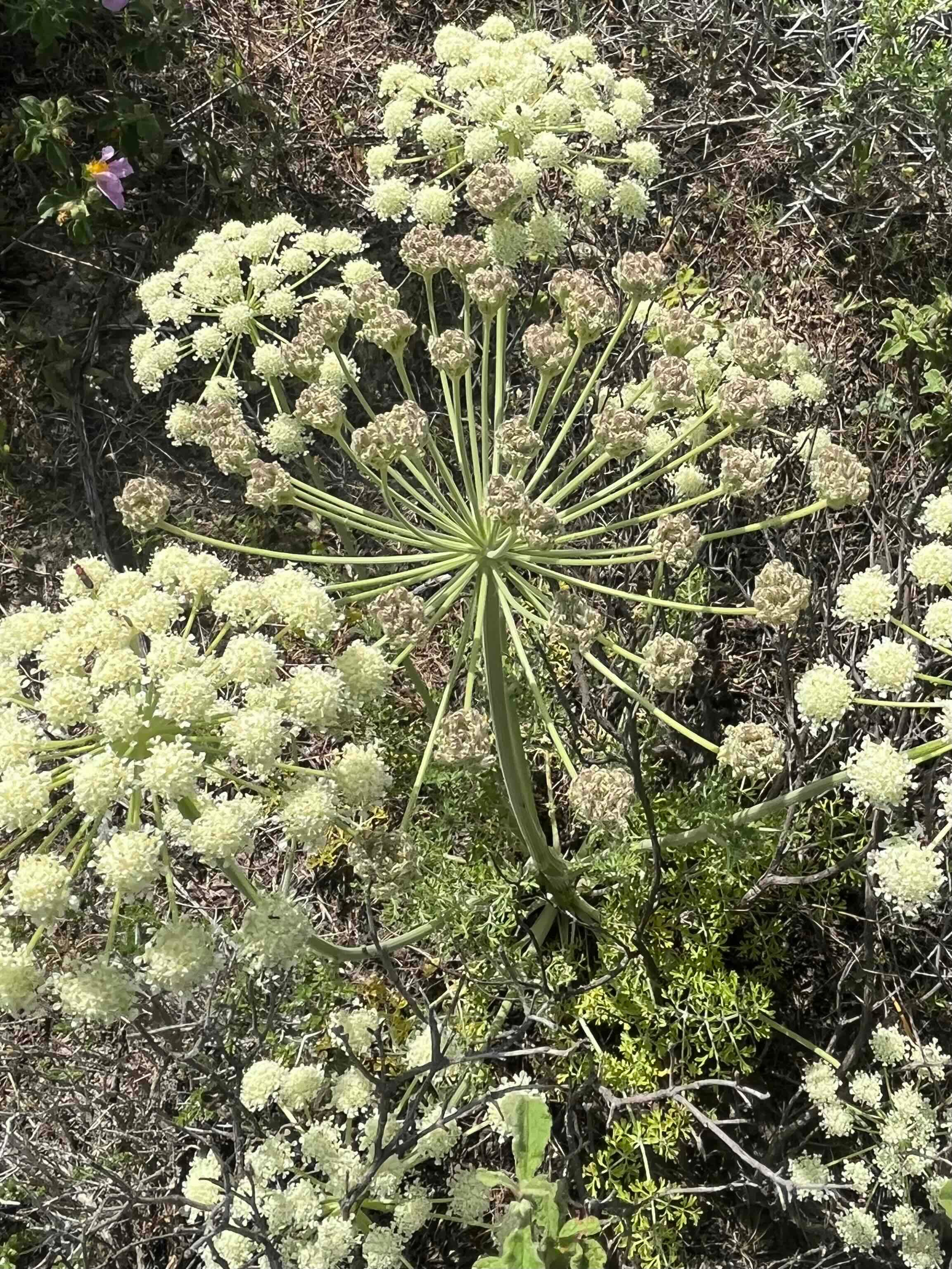
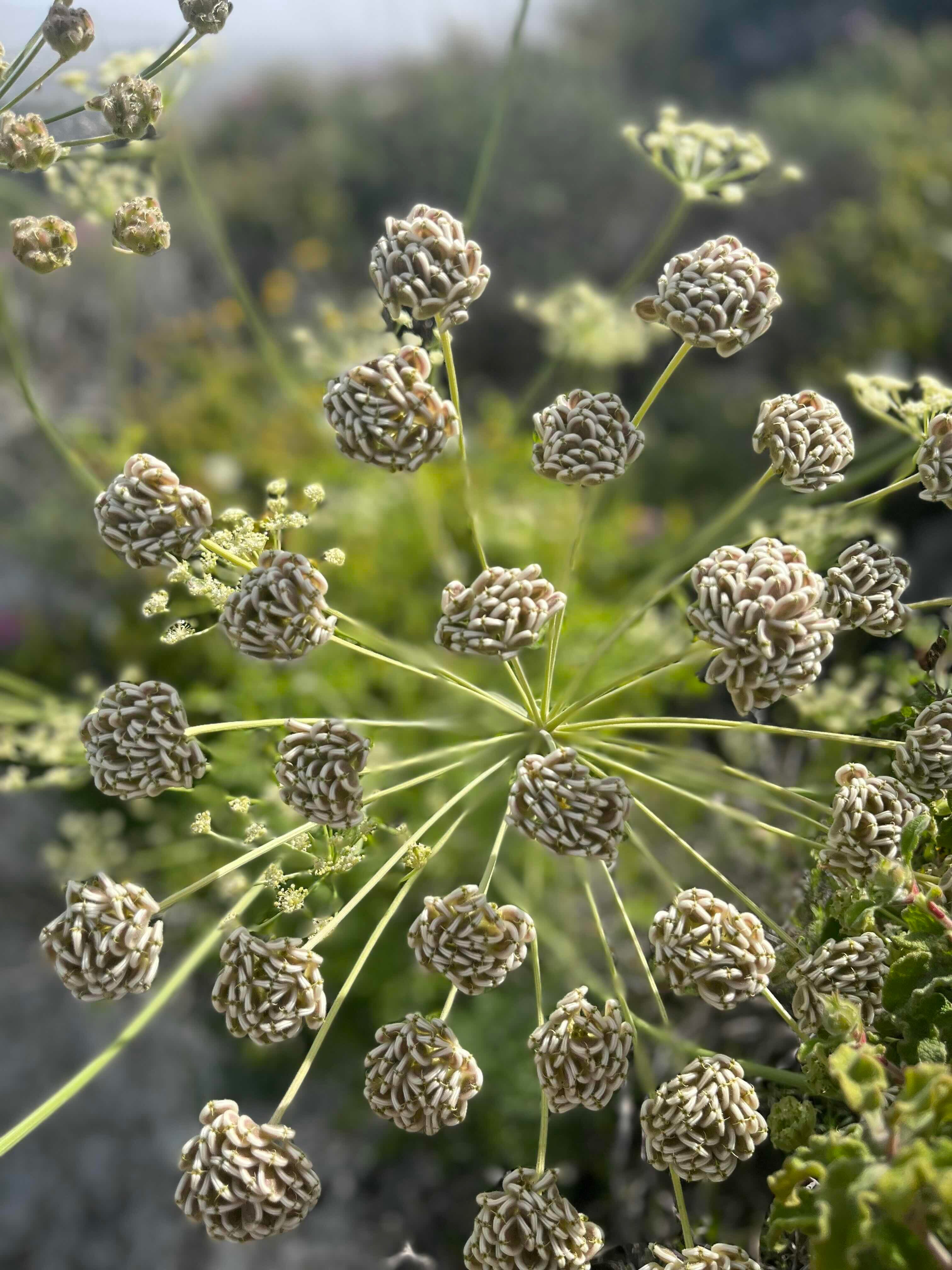
And finally, I have a very precious plant to get into the ground this weekend. I’ve been nurturing it for two years and it’s currently in a pot in my greenhouse. It’s a seedling of a Cypriot umbellifer called Zossima absynthifolia, and I’m hoping it’s big enough to plant and survive at least one summer. I first saw it when I went wildflower hunting in Cyprus and fell in love with it. In the wild there, it was a bushy plant growing up to about a metre, with huge white lacy flowers exploding outwards on long stems. The seed heads too were magnificent. If I manage to get this one in flower, I will be ecstatic - it may not survive the winter, but at least I’ll be able to collect the seeds and see if it will grow again as an annual.
For more ideas on planning and planting a border for seasonal interest, here is a previous post that shows my own garden through the seasons.
Finish cutting back borders and mulch
This should have been at the top of the list, because it’s the job that is going to take the longest, and the one that I need to focus on first. The seed sowing will be the light relief in between, when my back is screaming from too much bending and barrowing. The last of the old growth in the borders has to be chopped back, and I have a bulk bag of composted bark on hand to mulch the flower borders with - but I need to weed the beds thoroughly first. I wrote about mulching in this post a couple of weeks ago, explaining why I decided to go for composted bark rather than a more nutrient-dense mulch - and why I decided not to do the chop and drop method this year. The weeding/mulching task may be stretched over several weekends unless I can persuade my husband to help. It’s like exam revision or an article hanging over me: once it’s done, I can move on.
Plant dahlia tubers
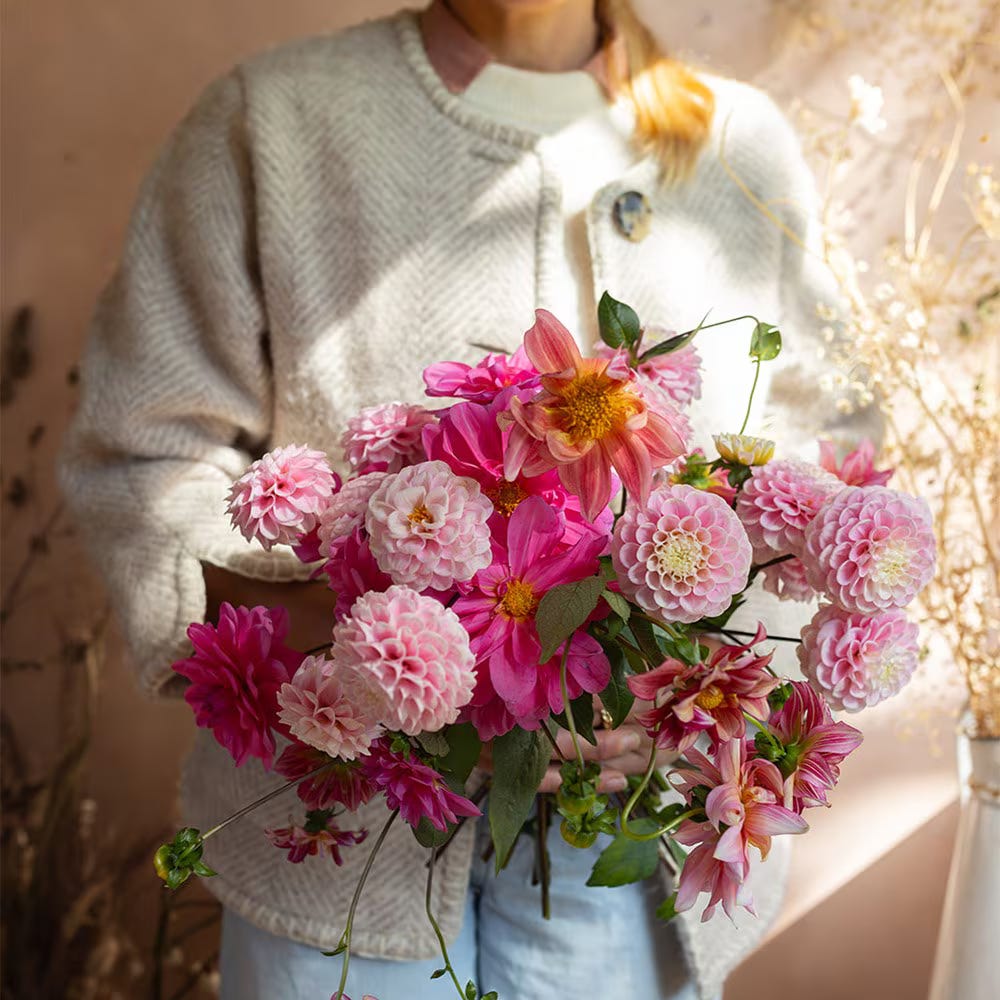
I ordered some new dahlias to go in this year, so I’ll start these off in pots this weekend. Dahlias aren’t fully hardy, so I’ll keep the pots in my greenhouse under cover until at least the beginning of May, and then gradually harden them off outside before planting into the borders. It’s always a good idea to plant them fairly high in the pot with the top of the tubers just showing through the compost, so you can take cuttings. You can read more about dahlias and how to take these cuttings (it’s really easy) in a previous post. It’s not too late to order dahlia tubers from companies like Farmer Gracy, Peter Nyssen or Rose Cottage Plants - and these dahlia collections from Crocus have a 20% discount. I have the Botanical Tales collection curated by fellow Substacker Bex Partridge for Crocus, with flowers in tones of pink and apricot. I’ll also be sowing dahlias from seed again this year, from the Marlston Farmgirl dahlia seed mix.
Other tasks for March
• prepare vegetable beds and sow hardy crops like lettuce, radish, chard, broad beans and brassicas outside
• sow tomatoes and other tender veg under cover and leave in the greenhouse or cold frame until it warms up
• keep up with the weeding as soon as temperatures rise
• plant seed potatoes
• feed roses with a fertiliser such as blood, fish and bone
• finish pruning roses before they come into full growth
• be watchful for slugs, especially after all the rain we’ve had
• deadhead daffodils as they go over and leave the foliage to die back naturally
• deadhead and cut back hydrangeas to about a third, if not already done
• cut back penstemons to let new growth come through
• cut autumn flowering raspberries right back to the base
• mulch rhubarb and fruit bushes with garden compost or well rotted manure
I hope you’ve found some useful things here - do let me know if you want me to include anything specific in my posts. Enjoy your own gardens as spring gets going!
Clare
Thank you for the mention Clare! And I am so pleased you have one of my collections, I hope they grow well for you x
The Chiltern Seeds website and catalogue are the ultimate temptation - I want to grow everything! I'm champing at the bit to start sowing, but it's too cold in the greenhouse yet (we had a very hard frost overnight), and as we're still in house renovation mode the logistics of lots of seed trays indoors are just too much! So I'm planning to direct sow much more than I did last year.
I did do a dahlia order from Farmer Gracy, but Evri managed to destroy the parcel in transit (becoming rather common in my area). I didn't want to risk a second order with a company that used the same courier, so I've re-ordered very recently from Peter Nyssen, who use DPD. Crossing fingers!
The Zossima is amazing, and a new one to me. The arrangement of the seeds is mesmerising - I could gaze at it for ages.